This website is being reviewed and updated in line with the National Medical Commission (NMC) guidelines on ethical advertising and public communication by registered medical practitioners.
Phone: +919081233800/+912717233800  | Email: contact@nishaivf.com. | Address: 201, 2nd Floor, Bhavya Shopping Complex, Opp. Govt Tubewell, Bopal, Ahmedabad, Gujarat 380058

ICSI Treatment in Ahmedabad

Intracytoplasmic sperm injection (ICSI) is an assisted reproductive technology applied in the course of IVF. This technology presupposes the insertion of one sperm into a mature ovum. ICSI might be considered taking into account specific factors related to sperm or the difficulties encountered previously with the process of fertilization.

ICSI is indicated based on the results of a fertility assessment and a patient’s medical history.
On this page
What Does ICSI Involve?
What Is ICSI Treatment?
Who May Be Considered for ICSI?
Types of ICSI-Related Procedures
How Is ICSI Performed?
ICSI vs Conventional IVF
What Are the Possible Risks and Limitations of ICSI?
What Factors Influence ICSI Outcomes?
What Determines the Cost of ICSI Treatment in Ahmedabad?
Fertility Care at Nisha IVF Centre
When Should You Seek a Fertility Evaluation?

FAQs

What Does ICSI Involve?

ICSI is performed as part of an IVF cycle. The main steps include:
Collecting eggs from the ovaries after ovarian stimulation
Preparing a sperm sample
Selecting a sperm for injection
Injecting the sperm into a mature egg
Assessing fertilisation and embryo development
Considering embryo transfer based on clinical findings
ICSI can assist fertilisation, but it does not guarantee embryo development, implantation, or pregnancy.
Understanding the Procedure
ICSI involves laboratory procedures alongside other stages of IVF. A fertility specialist can explain the steps, possible risks, and alternatives relevant to an individual’s medical history.

What Is ICSI Treatment?

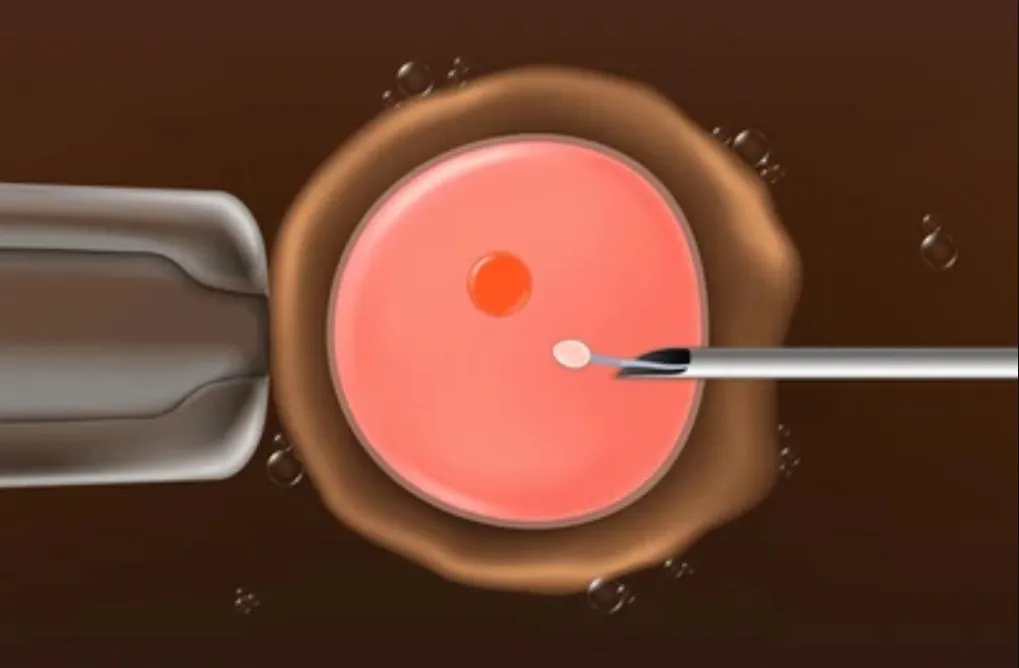
ICSI is Intracytoplasmic Sperm Injection. ICSI treatment is a type of reproductive technique when an embryologist injects one chosen sperm cell directly into the cytoplasm of a mature egg.

During regular IVF treatment, the prepared sperm cells and the eggs are put together into a laboratory dish in order for fertilization to take place without direct injection.

The only difference is the technique used to help with fertilization.Neither method guarantees pregnancy.
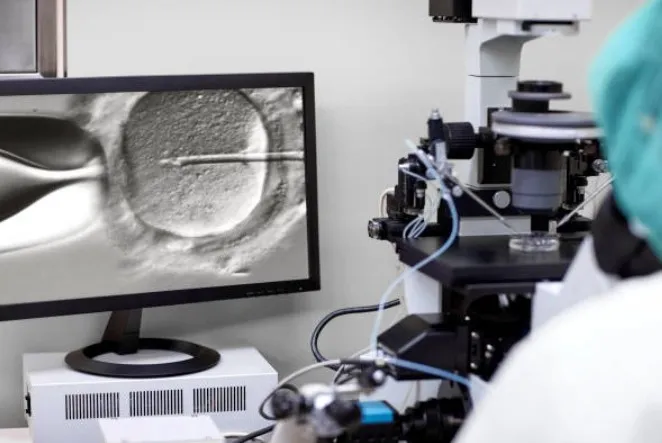
Who May Be Considered for ICSI?

ICSI may be considered in selected circumstances, including:

Low Sperm Count

A low sperm count may affect the likelihood of fertilisation. ICSI allows one selected sperm to be injected directly into a mature egg.

Reduced Sperm Motility

Sperm motility refers to the ability of sperm to move. Reduced motility may influence the choice of fertilisation technique.

Severe Male-Factor Infertility

Certain sperm-related conditions may make ICSI an option following specialist assessment.

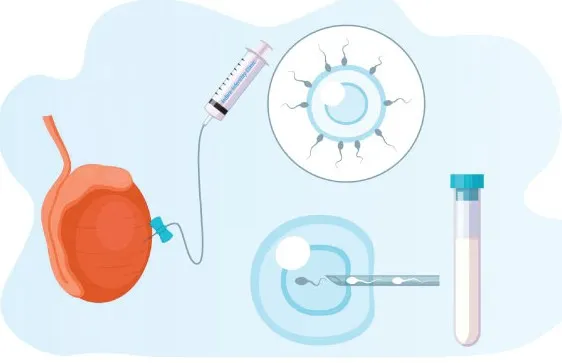
Surgically Retrieved Sperm

ICSI may be considered when sperm are retrieved from the epididymis or testicular tissue in selected cases.

ICSI is not required in every IVF cycle. The appropriate method depends on the clinical indication and the assessment of both partners.

Types of ICSI-Related Procedures
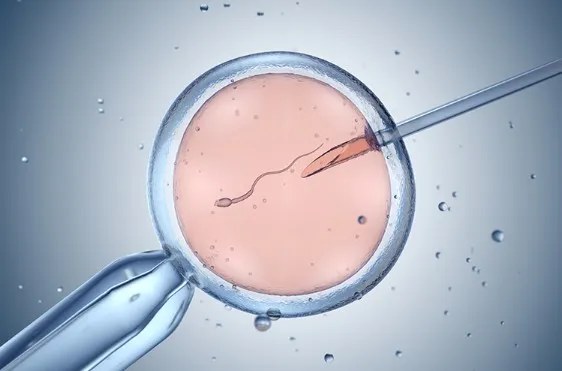
Conventional ICSI
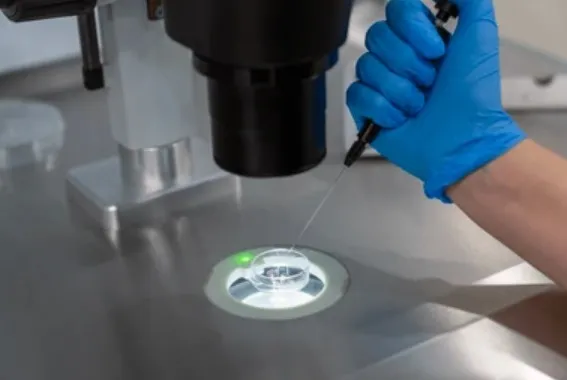
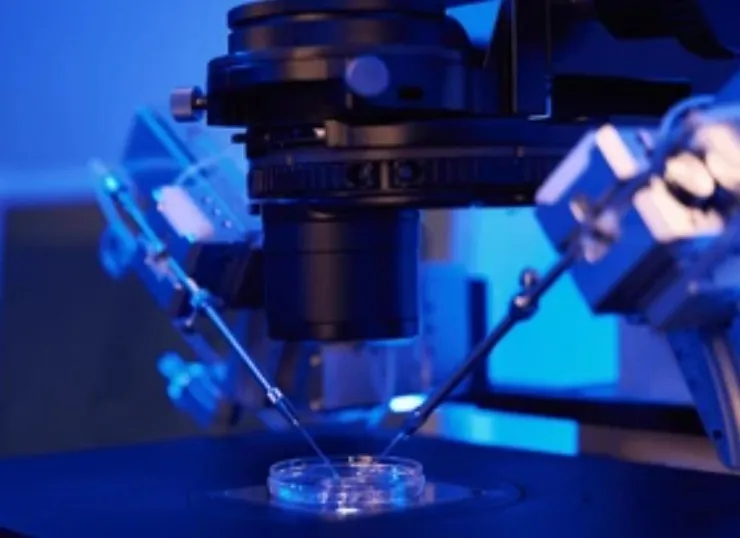
A selected sperm is injected directly into a mature egg using specialised laboratory equipment.

PICSI

Physiological intracytoplasmic sperm injection (PICSI) uses a sperm-selection method based on the sperm’s ability to bind to hyaluronan. Its suitability and potential benefit should be assessed individually.

TESE-ICSI

Testicular sperm extraction (TESE) may be used to retrieve sperm from testicular tissue. If suitable sperm are obtained, they may be used for ICSI when clinically indicated.
These procedures are not interchangeable. The fertility specialist and embryology team determine which approach, if any, is appropriate.

How Is ICSI Performed?

ICSI is generally part of an IVF cycle. The process may include the following stages.
01

Fertility Assessment

The medical team reviews relevant information, which may include:

  • Medical and reproductive history
  • Semen analysis
  • Previous fertility treatment
  • Hormonal tests, when indicated
  • Ultrasound findings
02

Ovarian Stimulation

Medicines may be prescribed to stimulate the development of multiple follicles. Ultrasound examinations and other tests may be used to monitor the response.
03

Egg Retrieval

Eggs are collected through a planned medical procedure when the follicles are considered ready.
04

Sperm Collection and Preparation

A semen sample is prepared in the laboratory. If sperm are unavailable in the ejaculate, a retrieval procedure may be considered in selected cases.
05

Sperm Injection

An embryologist injects one selected sperm directly into a mature egg using a fine microinjection needle.
06

Fertilisation Assessment

The eggs are examined to determine whether fertilisation has occurred. Not every injected egg will fertilise or develop into an embryo suitable for transfer.
07

Embryo Transfer

An embryo considered suitable for transfer may be placed into the uterus at the clinically appropriate time. The plan may involve fresh or frozen embryo transfer.
08

Follow-Up

A pregnancy test is arranged at the time advised by the treating team. Further follow-up depends on the result and clinical circumstances.

Discussing Treatment Options
The choice between conventional IVF and ICSI depends on individual fertility findings. Understanding the potential benefits, limitations, and alternatives can support an informed discussion with the treating specialist.

ICSI vs Conventional IVF

FeatureConventional IVFICSI
Fertilisation methodEggs and prepared sperm are placed together in a laboratory dishOne selected sperm is injected directly into a mature egg
Sperm selectionSperm fertilise the egg without direct injectionAn embryologist selects a sperm for injection
Common considerationMay be suitable when conventional fertilisation is appropriateMay be considered for significant male-factor infertility or previous fertilisation difficulties
OutcomeFertilisation and pregnancy are not guaranteedFertilisation and pregnancy are not guaranteed

ICSI does not automatically provide better outcomes than conventional IVF for every patient. The decision should be based on the clinical indication.

What Are the Possible Risks and Limitations of ICSI?

ICSI is a laboratory procedure within IVF, so patients should understand the limitations of the overall treatment.

Possible considerations include:

Not every injected egg will fertilise.
Some embryos may stop developing.
An embryo transfer may not result in pregnancy.
Egg retrieval involves procedural risks that should be discussed with the treating team.
Ovarian stimulation medicines may cause side effects and, in some cases, ovarian hyperstimulation syndrome.
The outcome may be affected by age, egg quality, sperm factors, embryo development, and other medical conditions.
The treating specialist can explain which risks are relevant to the individual’s circumstances.

What Factors Influence ICSI Outcomes?

Outcomes vary between individuals and treatment cycles. Factors that may influence them include:
Age of the female partner
Egg quality and ovarian response
Sperm quality
Fertilisation and embryo development
Uterine and reproductive health
Previous fertility treatment outcomes
Medical conditions affecting either partner
A single success-rate figure cannot predict the outcome for every patient. Any clinic-specific statistics should be supported by current, clearly defined data.

What Determines the Cost of ICSI Treatment in Ahmedabad?

The cost depends on the treatment plan and the services required.
Potential cost components include:
Consultation and fertility investigations
Ovarian stimulation medicines
Egg retrieval
ICSI laboratory procedure
Embryo transfer
Embryo freezing and storage, if required
Additional procedures, where indicated
A cost estimate should specify which services are included and whether medicines, follow-up tests, or additional procedures are charged separately. Current prices should be confirmed directly with the clinic before publication.

Fertility Care at Nisha IVF Centre

Nisha IVF Centre is located in Bopal, Ahmedabad, and lists IVF, ICSI, IUI, fertility testing, and other reproductive services on its website.

Before proceeding with treatment, patients should discuss:

The reason ICSI is being considered
Whether conventional IVF is an alternative
The expected stages and timeline
Potential risks and limitations
The estimated cost and included services
Available follow-up arrangements
The recommended treatment should be based on an individual medical assessment rather than a general claim about a clinic or procedure.

When Should You Seek a Fertility Evaluation?

A fertility assessment may be appropriate if:

  • A semen analysis shows low sperm count or reduced motility.
  • Previous IVF treatment resulted in fertilisation difficulties.
  • A sperm retrieval procedure has been discussed.
  • You want to understand the differences between IVF and ICSI.
  • You have questions about the risks, costs, or likely course of treatment.

The appropriate timing and investigations depend on age, medical history, and the duration of attempts to conceive.
ICSI is one of several techniques used in assisted reproduction.
Its suitability depends on the clinical findings and the treatment goals of both partners. A specialist can explain the available options and their limitations.
FAQs

Frequently Asked Questions

1. What is ICSI?

ICSI is a procedure that involves injecting a chosen sperm into a mature egg to help with fertilisation during an IVF procedure.

2. Who may be considered for ICSI?

ICSI may be considered for certain cases involving low sperm count, reduced sperm motility, previous fertilisation difficulties, or surgically retrieved sperm. The decision depends on clinical assessment.

3. What is the difference between IVF and ICSI?

IVF procedure involves placing eggs and prepared sperms in a dish in the laboratory while in ICSI a chosen sperm is injected into a mature egg.

4. Does ICSI result in a pregnancy?

No. ICSI assists the fertilisation process but does not guarantee fertilisation, embryo development, implantation, or pregnancy.

5. How long does an ICSI cycle take?

This will depend on the procedure to be followed during the cycle, but the treating personnel will be able to offer the expected time period.

6. What is the cost of ICSI treatment in Ahmedabad?

The cost depends on the procedure, medication and laboratory involved among other factors. An updated cost will be available at the clinic.
Powered by Joinchat
Call Now Button