
TESA, PESA and TESE Treatment in Ahmedabad
When sperm are absent from semen or cannot reach the ejaculate, sperm retrieval procedures may be considered as part of fertility treatment.
TESA, PESA, and TESE are procedures used to retrieve sperm from different parts of the male reproductive system. The appropriate procedure depends on the cause of the problem and the findings of a fertility evaluation.
These procedures may be considered for men with:
- Azoospermia, meaning no sperm are detected in the semen
- Blockages in the reproductive tract
- Previous vasectomy
- Congenital absence of the vas deferens
- Certain factors that influence the process of sperm formation
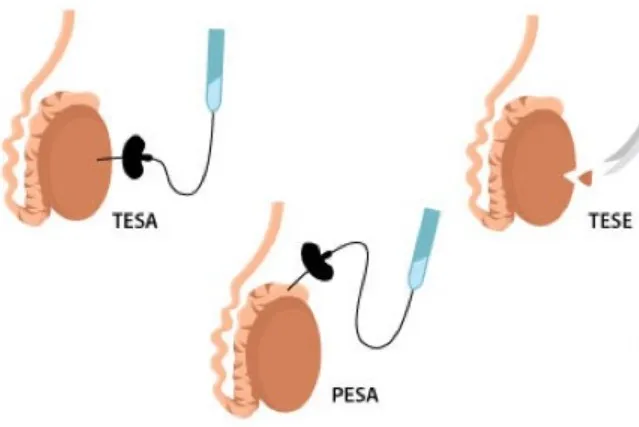
The obtained sperm can be used to perform ICSI, based on sperm availability and suitability.
Sperm retrieval procedures can be reviewed at Nisha IVF Centre located in Bopal, Ahmedabad, in accordance with the male fertility evaluation of each patient.
What is TESA, PESA and TESE?
Who May Need Sperm Retrieval Treatment?
TESA Treatment in Ahmedabad
PESA Treatment in Ahmedabad
TESE Treatment in Ahmedabad
How Are Retrieved Sperm Used in ICSI?
TESA vs PESA vs TESE: What Is the Difference?
What Are the Possible Risks of Sperm Retrieval?
Why Consider Sperm Retrieval at Nisha IVF Centre?
Frequently Asked Questions
What is TESA, PESA and TESE?
| Procedure | Full form | Sperm retrieval site |
| TESA | Testicular Sperm Aspiration | Testicular tissue |
| PESA | Percutaneous Epididymal Sperm Aspiration | Epididymis |
| TESE | Testicular Sperm Extraction | Testicular tissue |
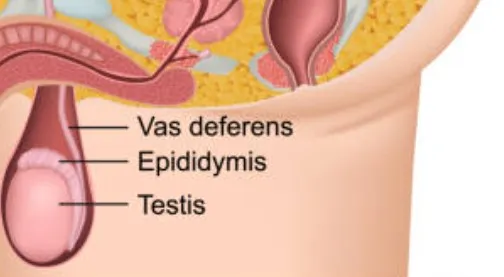
The epididymis is a narrow, coiled tube behind each testicle where sperm mature and are stored before travelling through the reproductive tract.
The testicles produce sperm. The location of the retrieval procedure depends on the suspected cause of infertility.
Know About Sperm Retrieval
The selection of TESA, PESA, or TESE depends on the underlying fertility problem. A specialist is able to provide information about the procedures, their potential risks, and ways to use the obtained sperm during assisted reproductive technology.
Who May Need Sperm Retrieval Treatment?
A fertility specialist may consider sperm retrieval after reviewing the semen analysis, medical history, and relevant examination findings.
Men With Azoospermia
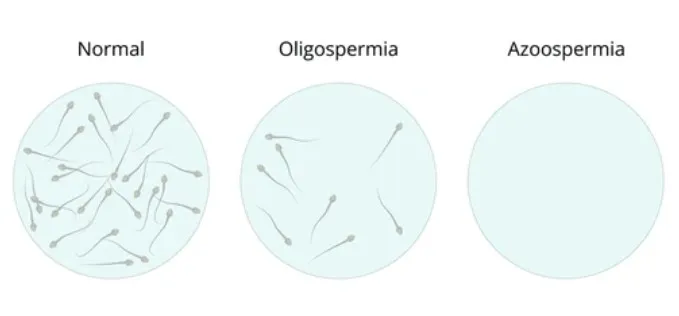
Azoospermia means that no sperm are detected in the semen sample.
It may occur because of:
- A blockage preventing sperm from entering the ejaculate
- Reduced or absent sperm production
- Certain congenital reproductive conditions
- Previous surgery affecting sperm transport
Further investigations help distinguish obstructive from non-obstructive azoospermia.
Men With Obstructive Azoospermia
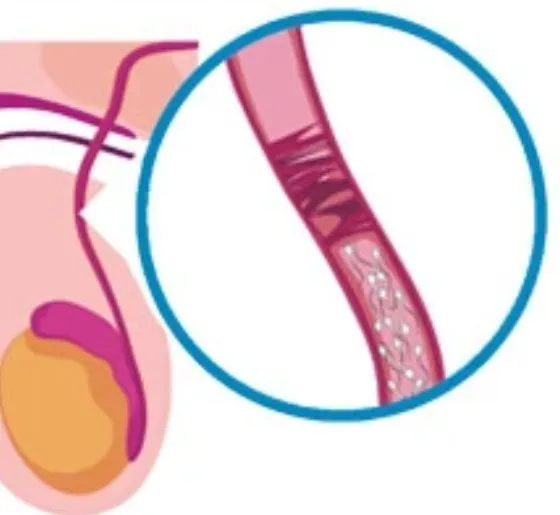
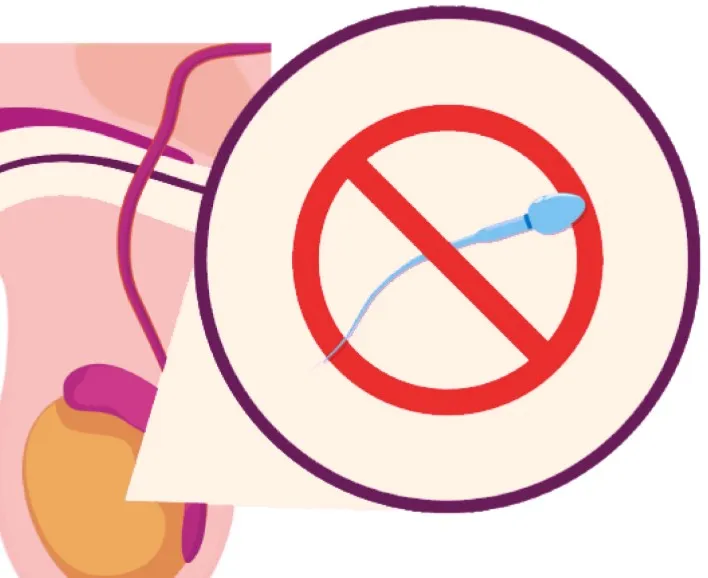
In obstructive azoospermia, sperm may be produced but cannot reach the semen because of a blockage.
Depending on the location of the obstruction, PESA, TESA, or TESE may be considered.
Men With Previous Vasectomy
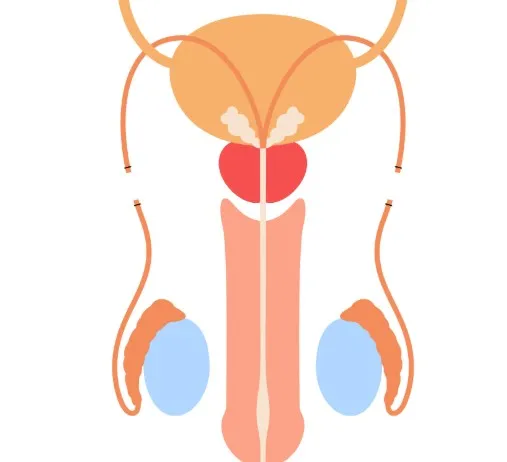
A vasectomy interrupts the passage through which sperm travel into the ejaculate.
For men wishing to have a child after vasectomy, options may include surgical reversal or sperm retrieval combined with assisted reproduction. The appropriate approach depends on individual circumstances.
Men With Congenital Absence of the Vas Deferens
Some men are born without one or both vas deferens, the tubes that transport sperm.
Sperm retrieval may be considered if sperm production is present and the clinical findings support the procedure.
Men With Non-Obstructive Azoospermia
In non-obstructive azoospermia, sperm production is impaired.
TESE or other specialist retrieval approaches may be considered in selected cases. Sperm retrieval is not always successful, so the likely benefits and limitations should be discussed beforehand.
TESA Treatment in Ahmedabad
What Is TESA?
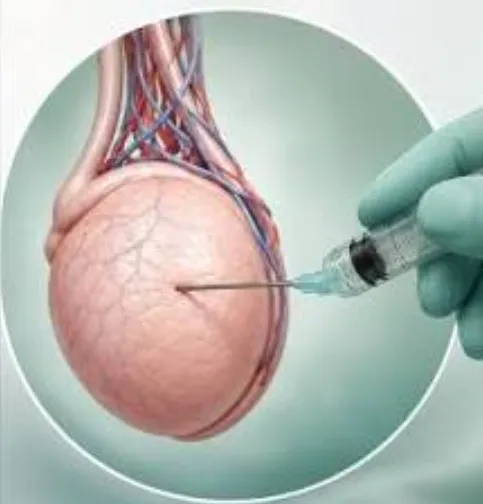
Testicular sperm aspiration (TESA) is a procedure that uses a fine needle to aspirate fluid and tissue from the testicle to look for sperm.
It may be considered in selected cases, particularly when sperm are not present in the ejaculate because of an obstruction.
How Is TESA Performed?
The procedure generally involves:
- Reviewing the medical history and fertility test results.
- Administering appropriate local anaesthesia.
- Inserting a fine needle into the testicular tissue.
- Aspirating a sample for laboratory examination.
- Checking whether sperm are present and suitable for use.
The procedure and anaesthesia plan depend on the patient’s condition and the clinician’s assessment.
What Happens After TESA?
After the procedure, the medical team provides instructions for recovery.
Patients may experience:
- Mild pain or tenderness
- Temporary swelling
- Bruising around the treated area
Persistent or worsening pain, marked swelling, fever, or bleeding should be reported promptly.
PESA Treatment in Ahmedabad
What Is PESA?
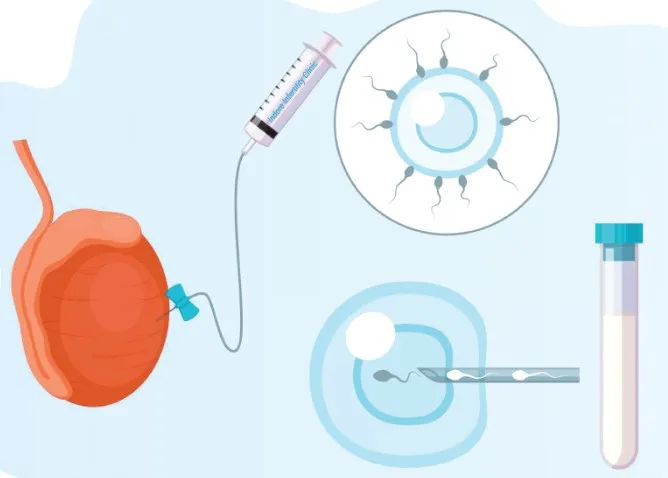
Percutaneous epididymal sperm aspiration (PESA) uses a fine needle inserted through the scrotal skin to collect fluid from the epididymis.
It may be considered when sperm production is present but sperm transport is blocked.
How Is PESA Performed?
The procedure generally involves:
- Assessing the cause of the sperm transport problem.
- Administering appropriate local anaesthesia.
- Inserting a fine needle through the scrotal skin into the epididymis.
- Aspirating a sample for laboratory examination.
- Assessing the retrieved sperm for possible use in assisted reproduction.
PESA does not require the same type of tissue extraction as TESE, although the exact technique depends on the clinical situation.
What Should You Know About PESA Recovery?
Recovery varies between individuals. Temporary tenderness, bruising, or swelling may occur.
Follow the treating team’s instructions regarding physical activity, wound care, and when to seek medical attention.
Discussing the Appropriate Procedure
TESA and PESA retrieve sperm from different locations, while TESE involves removing a small sample of testicular tissue. The choice depends on the diagnosis and the likelihood of finding usable sperm.
TESE Treatment in Ahmedabad
What Is TESE?
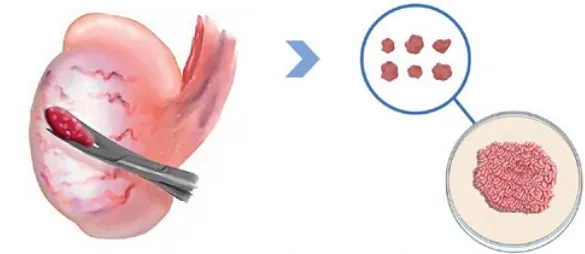
Testicular sperm extraction (TESE) is a surgical procedure in which a small sample of testicular tissue is collected and examined for sperm.
It may be considered for selected men with azoospermia, including some cases where sperm production is impaired.
How Is TESE Performed?
The procedure may involve:
- Reviewing previous investigations and the fertility history.
- Administering the planned anaesthesia.
- Making a small incision or using the technique selected by the treating specialist.
- Collecting a sample of testicular tissue.
- Examining the tissue in the laboratory for sperm.
- Determining whether retrieved sperm are suitable for assisted reproduction.
The technique used depends on the clinical findings. In selected cases, a specialist may discuss microdissection TESE, which uses an operating microscope to help identify areas of testicular tissue that may contain sperm.
Recovery After TESE
Recovery depends on the procedure performed and the individual’s response.
Aftercare may include:
- Following instructions for wound care
- Avoiding strenuous activity for the recommended period
- Taking prescribed medicines as directed
- Attending follow-up appointments
- Reporting fever, increasing pain, bleeding, or significant swelling
The treating specialist should provide an individual recovery plan.
How Are Retrieved Sperm Used in ICSI?
Sperm retrieved through TESA, PESA, or TESE may be used in intracytoplasmic sperm injection (ICSI) if suitable sperm are available.
The process generally involves:
Sperm retrieval
A sample is collected using the selected procedure.
Laboratory assessment
The embryology team examines the sample for sperm.
Egg collection
Mature eggs are collected as part of an IVF cycle.
ICSI
A selected sperm is injected directly into a mature egg.
Embryo assessment
Fertilisation and embryo development are monitored.
Embryo transfer
An embryo may be transferred when clinically appropriate.
TESA vs PESA vs TESE: What Is the Difference?
| Feature | TESA | PESA | TESE |
| Retrieval site | Testicle | Epididymis | Testicular tissue |
| Method | Needle aspiration | Needle aspiration | Tissue extraction |
| Possible use | Selected cases, including some obstructive azoospermia | Selected cases of obstructive azoospermia | Selected cases of obstructive or non-obstructive azoospermia |
| Tissue sample | Aspirated fluid and tissue | Aspirated fluid | Small tissue sample |
| Recovery | Depends on the procedure and individual response | Depends on the procedure and individual response | Depends on the surgical technique and individual response |
No single procedure is appropriate for everyone. The specialist considers the cause of azoospermia, previous findings, and the likelihood of retrieving usable sperm.
What Are the Possible Risks of Sperm Retrieval?
As with other medical procedures, sperm retrieval may involve risks.
Possible complications include:
Pain or tenderness
Bruising or swelling
Bleeding or a collection of blood within the scrotum
Infection
Injury to nearby structures
Changes in testicular function, particularly in certain surgical situations
The level of risk varies with the procedure and the patient’s medical condition. Discuss the potential complications and alternatives with the treating specialist before proceeding.
Why Consider Sperm Retrieval at Nisha IVF Centre?
Nisha IVF Centre lists TESA, PESA, and TESE among its male fertility services and also provides ICSI as part of assisted reproductive treatment.
Before treatment, patients can discuss:
The likely cause of absent sperm in the ejaculate
Whether additional investigations are required
Which retrieval method may be appropriate
What happens if no usable sperm are found
Whether retrieved sperm can be used immediately or preserved
The expected costs, risks, and recovery requirements
Nisha IVF Centre is located at 201, 2nd Floor, Bhavya Shopping Complex, opposite Govt. Tubewell, Bopal, Ahmedabad, Gujarat 380058.
Before FAQs
Some men with azoospermia or obstructive problems of fertility will be eligible for sperm retrieval. Suitability will vary among individuals. A medical assessment can help clarify the available procedures and their limitations.
Frequently Asked Questions
1. What is the difference between TESA, PESA, and TESE?
TESA retrieves a sample from the testicle using a needle. In PESA, a sample of fluid is collected from the epididymis through a needle. In TESE, a sample of tissue is removed from the testicle to search for sperm.
2. Can TESA, PESA, and TESE assist men with azoospermia?
These techniques can be helpful in some cases for men with azoospermia. This will depend on whether sperm production occurs and whether there is a blockage of the way to the ejaculate. Sperm retrieval does not always occur successfully.
3. Can sperm retrieved through these procedures be used for ICSI?
Yes, if the sperm is obtained appropriately, it can be used for ICSI during the IVF process.
4. Is the process of sperm retrieval painful?
Sperm collection process is done under an appropriate anesthesia procedure. Some discomfort, tenderness, or swelling may occur afterward. The experience varies depending on the procedure and the individual.
5. How much time is needed for recovery after TESE?
It depends on the procedure and the recovery of the patient. The treating specialist will provide instructions on wound care, activity restrictions, and follow-up.
6. What happens if no sperm is obtained?
If there is no sperm obtained during TESE, then the specialist will analyze the result and what options should be considered further. It depends on the cause of infertility and earlier investigations.
7. Where can I find TESA, PESA, and TESE treatments in Ahmedabad?
In Ahmedabad, Nisha IVF Center in Bopal provides TESA, PESA, and TESE as part of their fertility treatments. They can advise on which of these treatments you can consider.