In Vitro Fertilization (IVF) in Ahmedabad
Male Infertility Treatment in Ahmedabad
Infertility is not only a female health concern. Male factors can also contribute to difficulty in achieving pregnancy.
At Nisha IVF Centre, Ahmedabad, male infertility is evaluated through detailed fertility testing to identify the underlying cause and recommend suitable treatment options.
The evaluation may help identify concerns related to:
- Sperm production
- Sperm count
- Sperm movement
- Sperm quality
- Hormonal imbalance
- Reproductive health conditions
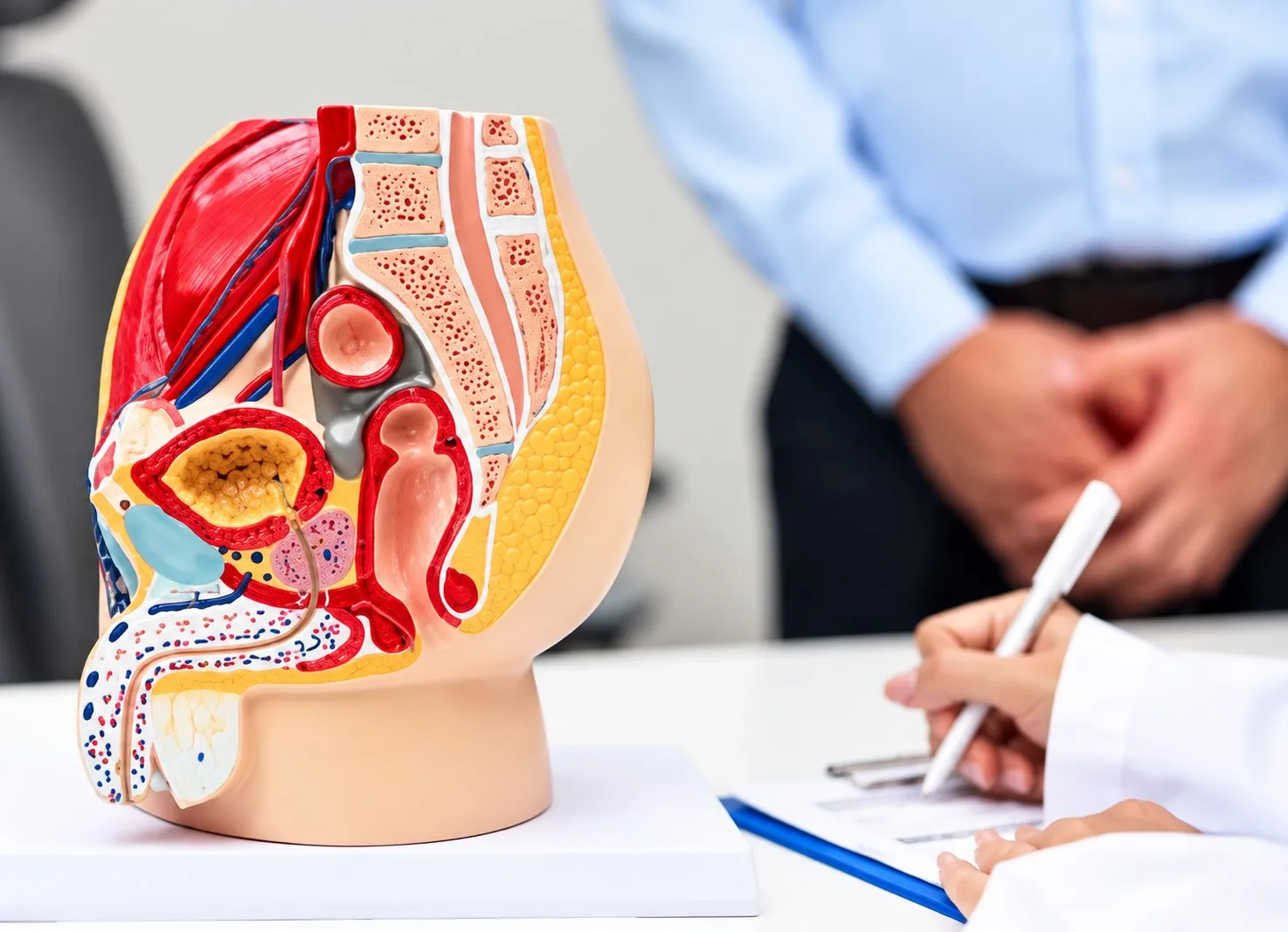
Nisha IVF Centre provides personalised fertility evaluation and treatment planning based on the medical history and reproductive needs of both partners.
Couples looking for a male infertility specialist in Ahmedabad can undergo a detailed assessment to understand possible causes and available treatment options.
What Is Male Infertility?
Causes of Male Infertility
Treatment Options for Male Infertility
Sperm Retrieval Procedures for Severe Male Infertility
Why Choose Nisha IVF Centre for Male Infertility Treatment in Ahmedabad?
Understanding the reason behind male infertility can help couples explore suitable options at the right time. A detailed fertility assessment can provide clarity about possible treatment pathways.
What Is Male Infertility?
Male infertility refers to difficulty in achieving pregnancy due to factors affecting male reproductive health.
A successful pregnancy requires:
- Healthy sperm production
- Adequate sperm count
- Proper sperm movement
- Normal sperm structure
- Ability of sperm to fertilize the egg
When any of these factors are affected, conception may become difficult.
Male infertility may occur:
- Due to male reproductive factors alone
- Along with female fertility-related concerns
Therefore, evaluation of both partners is important during infertility treatment.
Causes of Male Infertility
Male infertility can occur due to different medical, reproductive, and lifestyle-related factors.
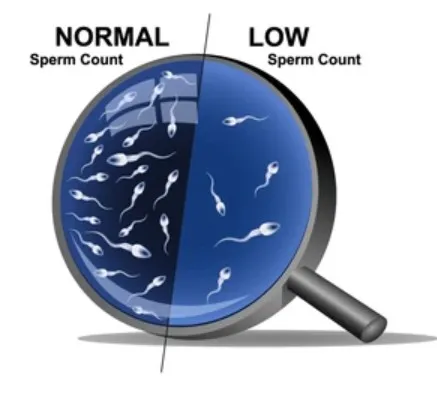
Low Sperm Count
A low sperm count may reduce the chances of fertilizing an egg.
Possible reasons include:
- Hormonal problems
- Certain medical conditions
- Lifestyle factors
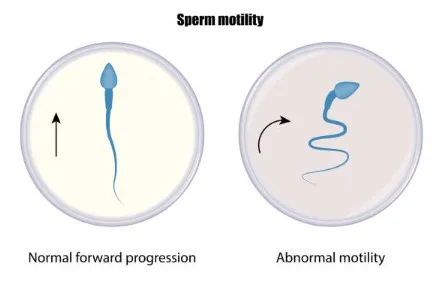
Poor Sperm Motility
Sperm movement is important for reaching and fertilizing the egg.
Reduced sperm motility may affect:
- Sperm movement towards the egg
- Fertilization chances
- Natural conception
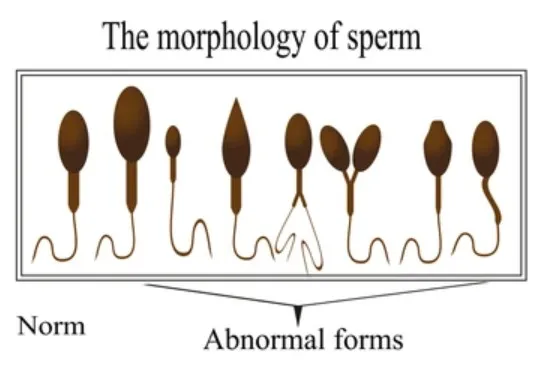
Abnormal Sperm Morphology
Changes in sperm shape and structure may affect fertilization ability.
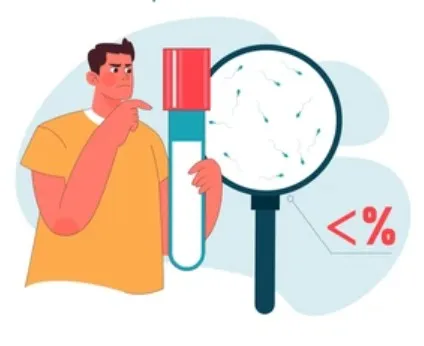
Hormonal Imbalance
Hormones play an important role in sperm production.
Hormonal changes may affect:
- Sperm production
- Reproductive function
- Overall fertility health
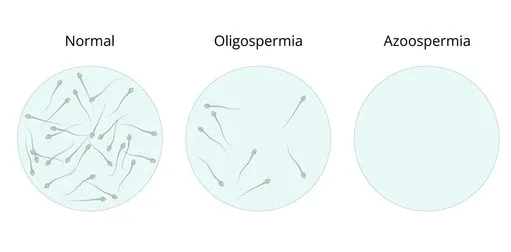
Azoospermia
Azoospermia is a condition where sperm are absent in semen.
Further evaluation helps identify whether the concern is related to:
- Reduced sperm production
- Blockage affecting sperm transport
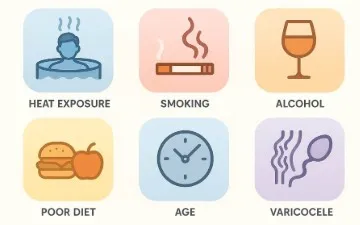
Lifestyle Factors
Certain lifestyle factors may influence sperm health, including:
- Smoking
- Alcohol consumption
- Obesity
- High stress levels
- Environmental exposure
Additional Fertility Assessments
Depending on the condition, doctors may recommend further tests to understand specific fertility concerns.
Every male infertility case has different causes and treatment possibilities. Proper evaluation can help couples understand available options and plan their next steps with greater clarity.
Treatment Options for Male Infertility
Male infertility treatment depends on:
- Cause of infertility
- Sperm quality
- Severity of the condition
- Medical history
- Fertility goals of the couple
At Nisha IVF Centre, treatment planning is based on individual fertility evaluation.
Lifestyle Changes and Medical Management
Lifestyle modifications may support sperm health and reproductive wellness.
Doctors may recommend:
- Maintaining a healthy weight
- Following a balanced diet
- Exercising regularly
- Managing stress
- Avoiding smoking and tobacco
- Limiting alcohol consumption
- Managing hormonal or medical concerns
Medicines and Hormonal Treatment
When infertility is linked to hormonal concerns, doctors may recommend suitable medical management.
Treatment may depend on:
- Hormone test results
- Underlying medical conditions
- Individual fertility requirements
Surgical Treatment Options for Male Infertility
Surgical procedures may be considered when fertility problems involve sperm production or sperm transport.
Possible procedures include:
- Varicocele treatment
- Correction of reproductive tract blockage
- Sperm retrieval procedures
UI Treatment for Male Infertility
IUI (Intrauterine Insemination) involves placing prepared sperm directly into the uterus to improve fertilization chances.
IUI may be considered for:
- Mild reduction in sperm count
- Mild sperm movement problems
- Selected male-factor infertility cases
ICSI Treatment for Male Infertility
ICSI (Intracytoplasmic Sperm Injection) is an IVF technique where a single sperm is injected directly into an egg.
ICSI may be recommended for:
- Low sperm count
- Reduced sperm motility
- Poor sperm quality
- Previous IVF fertilization difficulties
- Severe male-factor infertility
IVF Treatment for Male Infertility
IVF may be recommended when male factors significantly affect natural conception.
The IVF process includes:
- Egg collection from the female partner
- Sperm preparation
- Fertilization in the laboratory
- Embryo evaluation
- Embryo transfer into the uterus
Sperm Retrieval Procedures for Severe Male Infertility
Some men with severe sperm-related concerns may require sperm retrieval procedures.
Options may include:
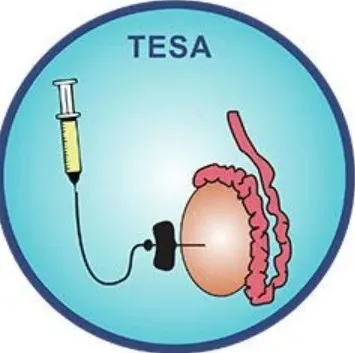
TESA
- Retrieves sperm directly from testicular tissue
- Used when sperm are not available through semen collection
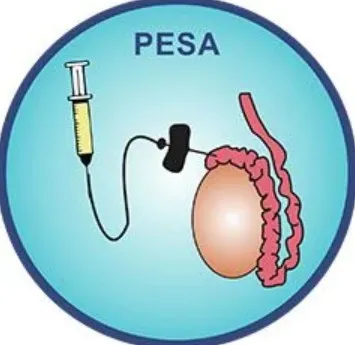
PESA
- Collects sperm from the epididymis
- Considered when sperm transport is affected
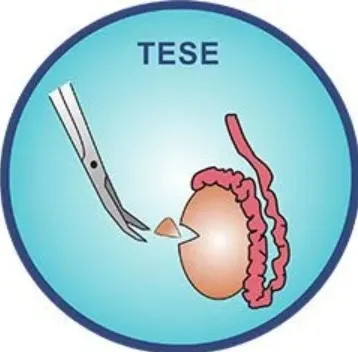
TESE
- Extracts sperm from testicular tissue
- May be considered in selected azoospermia cases
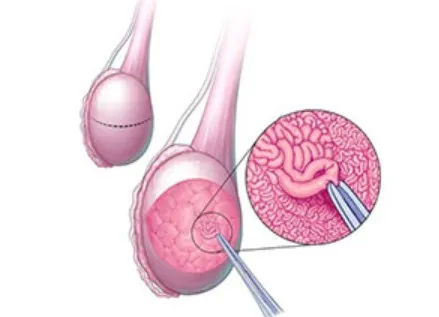
Testicular Biopsy
- Helps evaluate sperm production
- May assist diagnosis in selected cases
Choosing the Right Male Infertility Treatment
The suitable treatment depends on:
- Cause of infertility
- Sperm count and quality
- Duration of infertility
- Age of both partners
- Previous treatment history
A detailed fertility evaluation helps doctors recommend the appropriate treatment approach.
Why Choose Nisha IVF Centre for Male Infertility Treatment in Ahmedabad?
Nisha IVF Centre focuses on personalised fertility care.
Key factors include:
Experienced Fertility Specialists
The centre provides fertility care under specialists including:
- Dr. Nisarg Patel
- Dr. H.B. Patel
- Dr. Himali Maniar
Complete Fertility Evaluation
Evaluation includes understanding:
- Male fertility factors
- Female fertility factors
- Medical history
- Previous treatment outcomes
Individualised Treatment Planning
Treatment plans are created based on:
- Diagnosis
- Fertility condition
- Treatment requirements
04
Assisted Reproductive Treatments
Available fertility treatments include:
- IVF
- ICSI
- IUI
- Fertility preservation options
05
In-House Embryology Support
The centre has embryology laboratory support for assisted reproductive procedures.
Male infertility can involve several possible factors, and understanding the cause is the first step toward choosing the right approach. Nisha IVF Centre provides fertility evaluation and treatment guidance based on individual needs.
Frequently Asked Questions
1. What causes male infertility?
The causes of male infertility are low sperm count, sperm motility problems, abnormally shaped sperm, hormonal disorders, genetic problems, and others.
2. How do you diagnose male infertility?
Diagnosis typically starts with a semen analysis test along with the review of medical history and additional tests if necessary.
3. Can low sperm count be treated?
Treatment depends on the reason behind low sperm count. Options may include medical management, assisted reproductive techniques, or procedures such as ICSI in suitable cases.
4. Is IVF helpful for male infertility?
IVF therapy might help couples when infertility is due to the problems related to men. Sometimes ICSI technique might be suggested.
5. What is the treatment of ICSI for male infertility??
ICSI therapy is the infertility procedure which involves injection of a single sperm into an egg for fertilization as part of IVF process.
6. Where do I find male infertility treatment in Ahmedabad?
You can visit Nisha IVF Centre located in Bopal, Ahmedabad for fertility evaluation and assisted reproductive treatment options including IVF, ICSI, etc.