

Introduction: What is Male Factor Infertility?
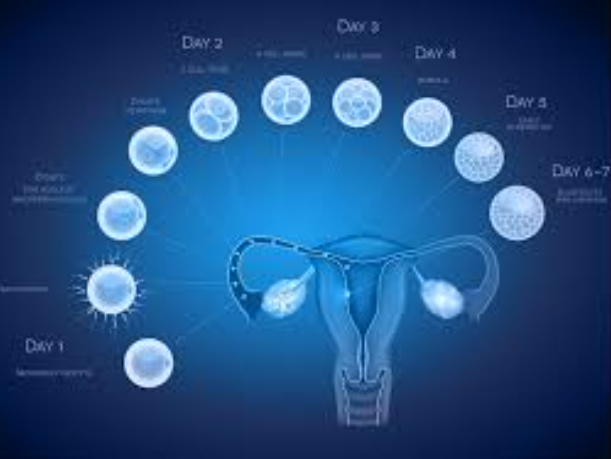
Infertility is one of those problems that millions of couples deal with across the globe, and in roughly 40–50% of situations, male factor infertility becomes a big part of the picture. Male factor infertility happens when a man’s reproductive health affects the couple’s ability to conceive on their own, basically without extra help. At Nisha IVF Centre in Ahmedabad we do more than just basic evaluation— we offer advanced diagnostics, plus IVF male factor infertility treatments that feel tailored to the situation, so male infertility concerns are handled in a proper way.
Male infertility can result from a variety of factors including low sperm count, poor sperm motility, abnormal sperm morphology, hormonal imbalances, genetic conditions, or lifestyle-related causes. Recognizing and treating these issues early can significantly increase the chances of successful conception.
Causes of Male Factor Infertility
Getting to the core of what actually drives male infertility is kind of a big deal if you’re aiming for treatment that really works, not just something generic. The common causes tend to blend into a few different patterns and honestly, it can be more than one issue at the same time. Like, for instance
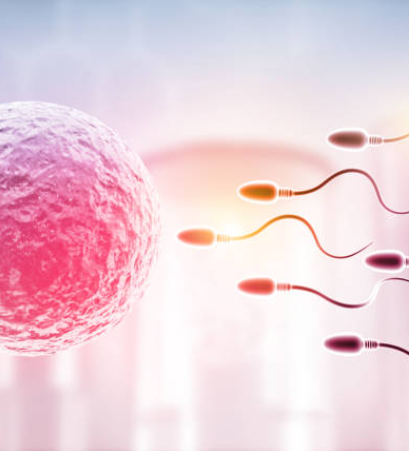
- Low Sperm Count (Oligospermia)
A reduced number of sperm in the semen can hinder fertilization. Causes include hormonal imbalances, varicocele, infections, or chronic illnesses.
- Poor Sperm Motility (Asthenozoospermia)
Sperm motility refers to the ability of sperm to swim efficiently toward the egg. Poor motility can result from lifestyle factors, oxidative stress, or structural sperm defects.
- Abnormal Sperm Morphology (Teratozoospermia)
Sperm shape and structure affect fertilization capability. Structural abnormalities can arise from genetic factors, infections, or environmental exposures.
- Hormonal Imbalances
Testosterone and other hormones regulate sperm production. Hormonal disruptions may be caused by pituitary gland disorders, thyroid dysfunction, or testicular issues.
- Genetic Conditions
Conditions like Klinefelter syndrome or Y-chromosome microdeletions can impact fertility, often requiring specialized reproductive interventions.
- Lifestyle and Environmental Factors
Smoking, alcohol consumption, obesity, exposure to toxins, heat, or stress can reduce sperm quality and fertility.
Struggling with male infertility? Schedule a consultation at Nisha IVF Centre today and let our specialists guide you toward effective treatment.
Diagnosis of Male Factor Infertility at Nisha IVF Centre
At Nisha IVF Centre in Ahmedabad, we offer a comprehensive diagnostic approach for male infertility. Our advanced facilities include:
- Semen Analysis: Evaluates sperm count, motility, and morphology.
- Hormonal Profiling: Checks testosterone, FSH, LH, and prolactin levels.
- Genetic Testing: Detects chromosomal abnormalities affecting fertility.
- Testicular Biopsy: For cases where sperm retrieval is needed.
- Ultrasound & Imaging: Detects structural abnormalities like varicocele or blockage.
Treatment Options for Male Factor Infertility
Once the cause is identified, treatment options may include:
1. Lifestyle Modifications
Adopting healthy habits such as quitting smoking, limiting alcohol, maintaining a healthy weight, and reducing stress can improve sperm quality.
2. Medications
Hormonal therapy or medications for infections and other treatable conditions may enhance fertility naturally or prepare for IVF.
3. Assisted Reproductive Techniques (ART)
For severe male infertility, advanced reproductive technologies are employed:
- Intrauterine Insemination (IUI): Suitable for mild cases of low sperm count or motility.
- In Vitro Fertilization (IVF): Sperm and egg fertilization occurs outside the body in controlled laboratory conditions.
- Intracytoplasmic Sperm Injection (ICSI): A single healthy sperm is directly injected into an egg, ideal for very low sperm count or poor motility.
At Nisha IVF Centre, our specialists combine cutting-edge technology with personalized care to maximize IVF success rates for male factor infertility.
“Explore personalized IVF and ICSI options for male factor infertility.
Why Choose Nisha IVF Centre in Ahmedabad?

- Expert IVF Specialists: Our team has extensive experience in treating male infertility using advanced ART techniques.
- State-of-the-Art Laboratory: High-quality lab facilities ensure precise sperm evaluation and treatment.
- Personalized Care: Tailored treatment plans based on comprehensive diagnostics.
- High Success Rates: Proven track record of successful IVF pregnancies even in complex male factor cases.
- Compassionate Support: Emotional guidance and counseling are provided to help couples navigate their fertility journey.
Conclusion
Male factor infertility is a common but treatable cause of infertility. With early diagnosis, proper care, and advanced IVF techniques, couples can achieve their dream of parenthood. Nisha IVF Centre in Ahmedabad is dedicated to providing comprehensive male infertility evaluation, personalized treatment, and compassionate support throughout your fertility journey.
Contact Nisha IVF Centre today to schedule a consultation with our fertility specialists and explore the best IVF options tailored to your needs.
FAQs
Q1: Can small day to day lifestyle changes really make a difference for male fertility ?
A: In mild cases, yes, even some pretty simple routine tweaks like eating better, moving more, cutting back on alcohol, and stopping cigarettes can lead to improved sperm quality. It’s rarely instant though, it sometimes takes time before you see the shift, but it can help overall.
Q2: For severe male infertility, how well does ICSI actually work ?
A: ICSI usually does really well for fertilization, especially when sperm numbers or motility are very low. In simple terms it gives a better chance of getting fertilization started even when things are tough, and that tends to matter a lot in these cases.
Q3: Do all men dealing with infertility need genetic testing?
A: Not automatically, for every situation. Still, genetic testing is often recommended when sperm parameters are really unusual, or when there’s a known family history of genetic conditions, because that can change what doctors look for.
Q4: If someone needs IVF due to male factor infertility, how long should they expect the entire process to take ?
A: Usually it’s around 4 to 6 weeks. That generally includes ovarian stimulation, egg retrieval, sperm prep, fertilization, and then embryo transfer too, all packed into that window.