
Mild lower abdominal pain after 10 days of IUI is usually normal. It most often comes from implantation, progesterone supplements, or hormonal changes during the two-week wait — and typically settles within a few hours to a few days.
It is not a confirmed sign of pregnancy. Only a pregnancy test (ideally a blood test around day 14) can tell you that.
Watch out, though: severe, worsening, or feverish pain needs medical attention.
📞 Pain making the wait stressful? [Talk to Dr. Nisarg Patel →] or call +91-9081233800 for a quick, reassuring check.
What's Causing the Pain? (Common, Harmless Reasons)
Most lower abdominal pain at this stage has a simple explanation:
- Implantation cramping — around 6–12 days post-ovulation, the embryo attaching to the uterine lining can cause a mild tugging or pinching sensation
- Progesterone supplements — these thicken the uterine lining and commonly cause bloating and cramping
- Hormonal changes — natural luteal-phase shifts can trigger menstrual-like cramps
- Digestive issues — gas, constipation, or diet changes can mimic pelvic cramping
When the Pain Needs a Doctor
Mild is fine. These signs are not — contact your fertility specialist right away if you have:
- Severe or worsening pain that doesn’t ease with rest
- Fever, chills, or unusual vaginal discharge (possible infection)
- Heavy bleeding
- Significant bloating, rapid weight gain, severe nausea, or breathlessness (possible OHSS)
- Sharp, one-sided pain (rare, but needs ruling out an ectopic pregnancy)
💬 Not sure if your pain is normal? [WhatsApp Nisha IVF] — describe your symptoms and our team will guide you.
Is the Pain a Sign of Pregnancy?
It might be — but it’s not proof.
- Implantation cramping can be an early positive sign
- But the same cramping can come from progesterone or a coming period
- Breast tenderness, nausea, and fatigue can also be medication side effects
Don’t decode the cramps. Wait for your scheduled test for a reliable answer.
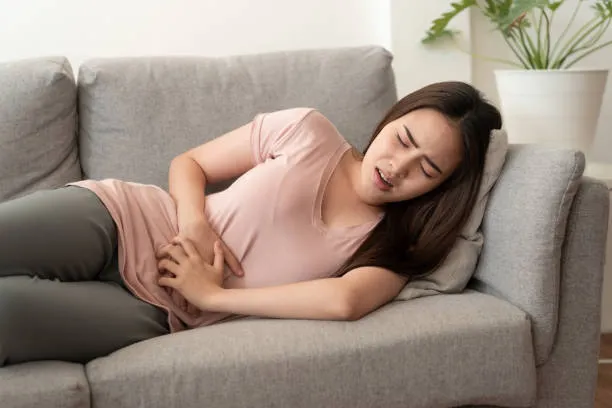
How Long Does It Last?
- Implantation or hormonal cramping: a few hours to a couple of days; often comes and goes mildly
- OHSS or infection pain: tends to persist and worsen — this is your cue to seek help
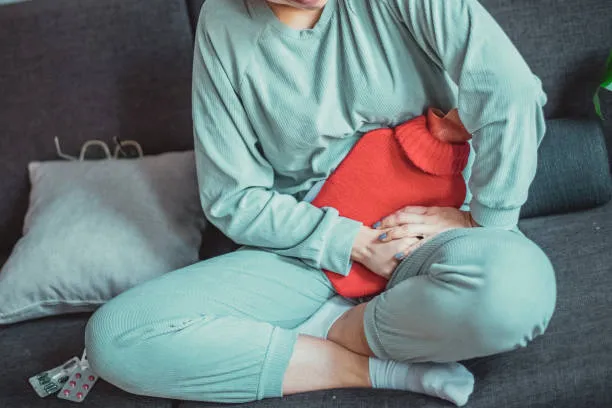
How to Ease Mild Pain at Home
Simple, safe steps that usually help:
- Rest and avoid strenuous activity for a day or two
- Heat therapy — a warm (not hot) compress on the lower abdomen
- Stay hydrated — reduces bloating and aids digestion
- Light movement — a short walk or gentle stretching
- Stick to your prescribed medication exactly as advised

⚠️ Don’t take any painkiller without your doctor’s advise — some may interfere with implantation.
Doctor's Insight
“Mild abdominal discomfort 10 days after IUI can reflect implantation or simply your body responding to hormonal support — it’s one of the most common worries we hear during the two-week wait. What matters is the pattern: light and short-lived is reassuring; severe, persistent, or feverish pain should always be evaluated. When in doubt, reach out rather than worry alone.” — Dr. Nisarg Patel, IVF Specialist & Director, Nisha IVF Centre in Ahmedabad
Why Choose Nisha IVF Centre, Ahmedabad
- Dr. Nisarg Patel — IVF Specialist with fellowships in Infertility/IVF and OB-GYN Ultrasound (IKDRC); 13+ years’ experience
- 8,000+ IVF cycles performed
- Close two-week-wait monitoring, including OHSS risk management
- Compassionate, judgment-free support whenever symptoms cause concern
Ready to Take the Next Step?Book Your Consultation with Dr. Nisarg Patel →
FAQs
Is lower abdominal pain 10 days after IUI normal?
Usually yes. Mild cramping or discomfort is common during the two-week wait, often caused by implantation, progesterone, or hormonal changes, and typically resolves within a few days.
Does abdominal pain after IUI mean I'm pregnant?
Not necessarily. Implantation cramping can be an early sign, but the same discomfort can come from medication or an approaching period. Only a pregnancy test confirms.
How long does cramping after IUI last?
Implantation and hormonal cramping usually last a few hours to a couple of days. Pain from OHSS or infection tends to persist or worsen and needs medical attention.
When should I see a doctor for pain after IUI?
Seek help if you have severe or worsening pain, fever, heavy bleeding, unusual discharge, significant bloating, or sharp one-sided pain — these may signal infection, OHSS, or an ectopic pregnancy.
How can I relieve mild abdominal pain after IUI?
Rest, a warm compress, hydration, and light movement usually help. Avoid any pain medication unless your fertility specialist approves it.