
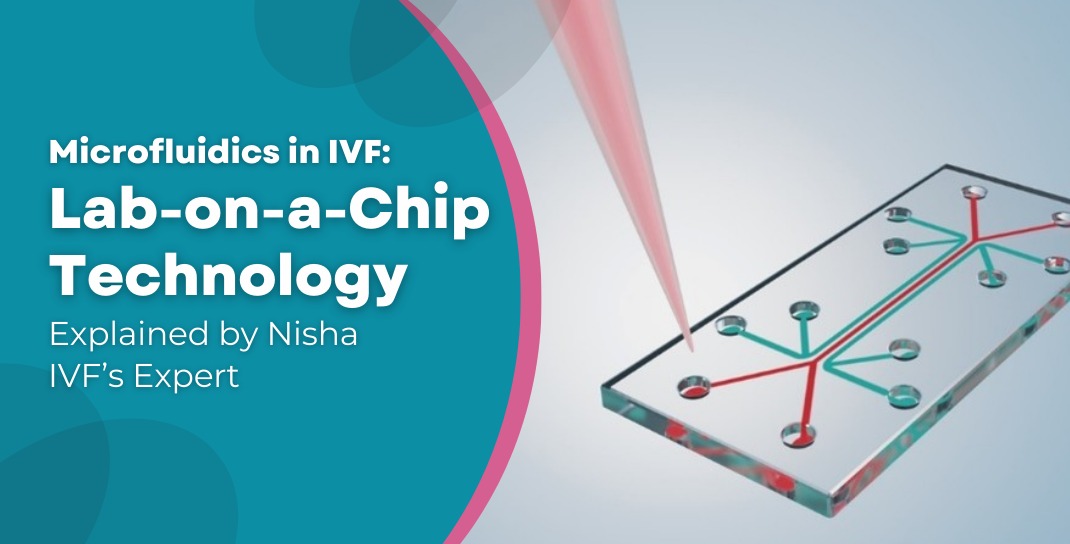
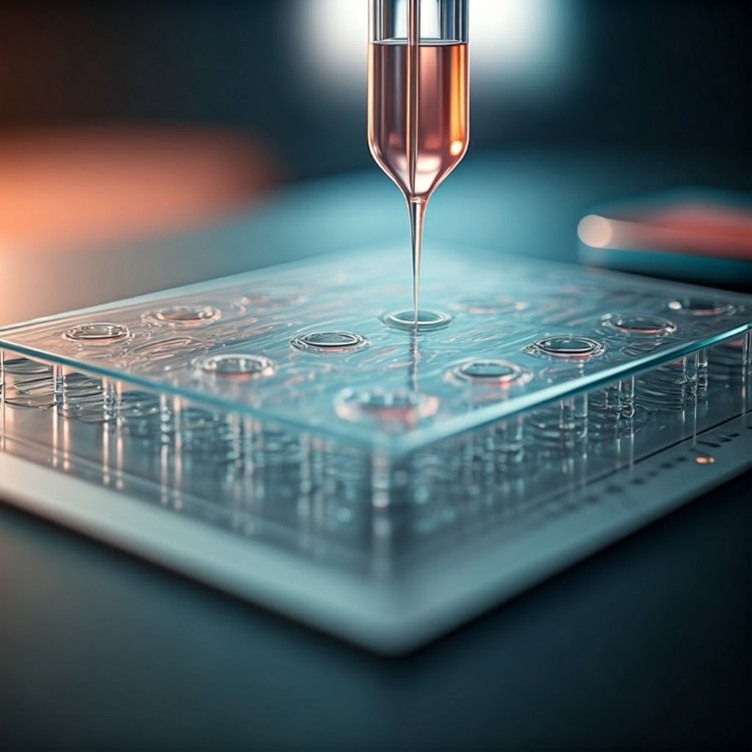
IVF developments today are not only restricted to drug treatments and surgical methods. Microfluidics in IVF is one of the most optimistic breakthroughs occurring in the fertility labs, and it is usually referred to as lab-on-a-chip technology. The invention involves sperm, eggs, and embryos being processed in very tiny fluid environments that are very similar to natural biological conditions which therefore create new ways for the IVF laboratory to be very precise and consistent in their processes.
Nisha IVF, led by the expert Dr. Nisarg Patel, is deeply committed to comprehending and employing scientific breakthroughs that have been validated in fertility care. With comprehensive knowledge in IVF and reproductive medicine, Dr. Patel insists on evidence-based practice, especially when it concerns laboratory innovations. Microfluidics and other such technologies are not only assessed for being trendy, but also for their potential to facilitate precision in the laboratory and thus yield better patient outcomes when used properly.
What Is Microfluidics in IVF?
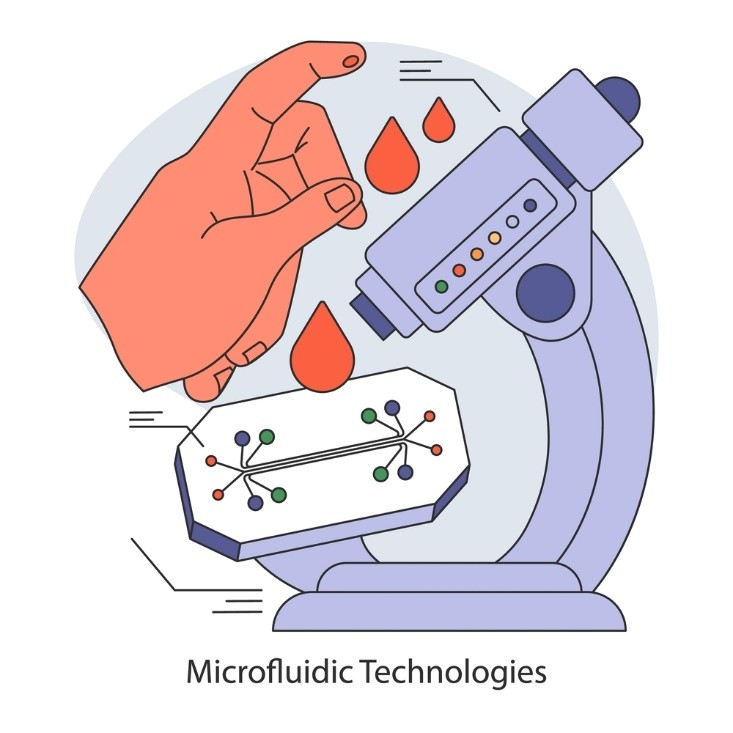
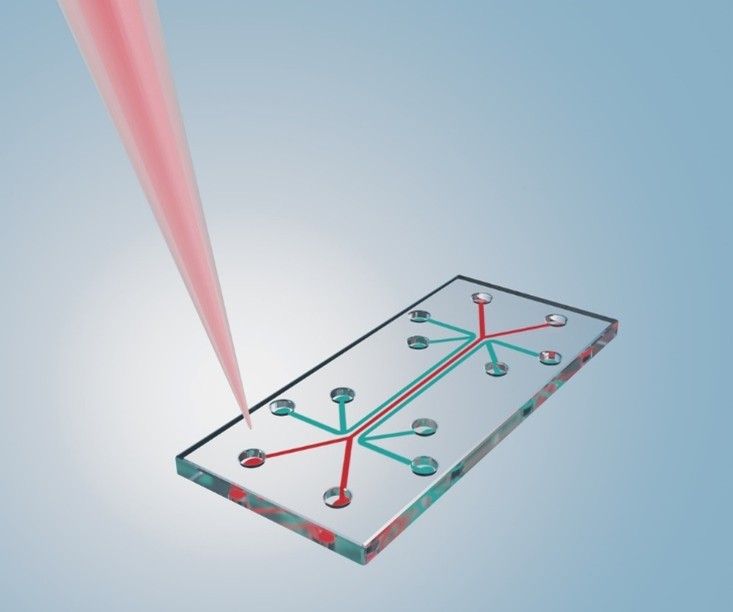
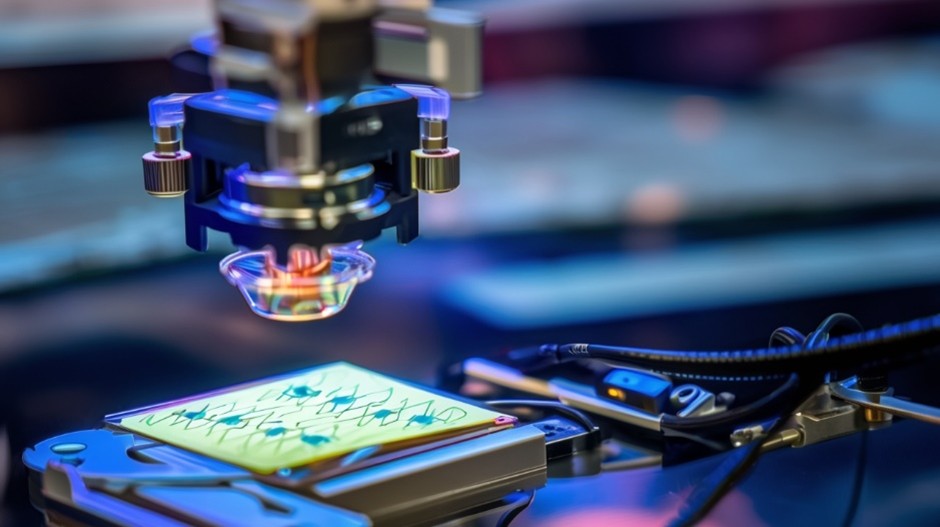
Microfluidics is a technology that allows fluids to be handled in extremely small volumes, often through tiny channels etched onto a chip. In IVF, this means sperm, eggs, or embryos can be managed in environments that more closely resemble the natural conditions of the human reproductive system.
Instead of traditional lab dishes and manual handling, lab-on-a-chip systems aim to automate and fine-tune laboratory processes with greater precision.
How Microfluidics Is Used in IVF Today
Currently, microfluidic technology is being explored mainly in two areas of IVF:
Sperm Selection
Microfluidic sperm sorting devices are designed to select sperm that are:
- More motile
- Less exposed to oxidative stress
- Closer to sperm that naturally reach the egg in the body
This method avoids centrifugation, which may sometimes damage sperm DNA.

Embryo Culture & Handling (Emerging Area)
Research is ongoing into using microfluidic systems for:
- Maintaining stable embryo culture environments
- Reducing temperature and pH fluctuations
- Mimicking natural fluid movement around embryos
While still under study, this approach could help support healthier embryo development.
Why Is Lab-on-a-Chip Technology Important?
Traditional IVF lab methods are effective, but they involve manual handling and external environmental exposure. Microfluidics offers potential advantages such as:
More natural conditions for sperm and embryos
Reduced mechanical stress on cells
Greater consistency in lab processes
Lower risk of contamination
Better standardization across IVF labs
These factors may contribute to improved lab efficiency and potentially better outcomes in the future.
Is Microfluidics Proven to Improve IVF Success Rates?
This is an important question.
At present, microfluidics is considered a promising but evolving technology. While early studies show benefits in sperm quality and lab handling, large-scale clinical evidence linking microfluidics directly to higher pregnancy or live birth rates is still developing.
This means microfluidics should be viewed as an emerging tool, not a guaranteed solution.
Who May Benefit Most from Microfluidics?
Based on current research, microfluidic techniques may be particularly helpful in cases involving:
High sperm DNA fragmentation
Couples with previous IVF failures (case-dependent)
However, suitability varies, and not every IVF cycle may require or benefit from this technology.
What Does the Future Hold for Microfluidics in IVF?
Looking ahead, lab-on-a-chip technology may play a role in:
Fully automated IVF lab workflows
More personalized embryo culture environments
Integration with AI-based embryo assessment
Reduced variability between IVF labs
As research advances, microfluidics could become a standard part of next-generation IVF laboratories.
What Should Patients Know Right Now?
For patients considering IVF:
Microfluidics is an exciting scientific advancement, but not yet essential for every case
Treatment decisions should always be evidence-based and individualized
Open discussions with fertility specialists help determine what technologies are appropriate
Understanding new developments empowers patients to make informed choices without unnecessary expectations.
Conclusion
Microfluidics represents a shift toward precision-driven, biology-friendly IVF laboratory practices. While still evolving, lab-on-a-chip technology highlights how fertility care continues to move toward safer, more refined, and more personalized solutions.
As science progresses, such innovations may help shape the future of IVF — one tiny channel at a time.
Microfluidics is an exciting scientific advancement, but not yet essential for every case
Treatment decisions should always be evidence-based and individualized
Open discussions with fertility specialists help determine what technologies are appropriate
Understanding new developments empowers patients to make informed choices without unnecessary expectations.
Contact and Discuss Your IVF Options with expert
Frequently Asked Questions
1. What is microfluidics in IVF?
Microfluidics in IVF refers to lab-on-a-chip technology that handles sperm, eggs, or embryos in extremely small fluid volumes to better mimic natural biological conditions.
2. Is microfluidic sperm selection better than traditional methods?
Microfluidic sperm selection may reduce mechanical stress on sperm and help select healthier sperm, but it may not be necessary or beneficial for every IVF case.
3. Does lab-on-a-chip technology improve IVF success rates?
Current research shows promising laboratory benefits, but strong clinical evidence linking microfluidics directly to higher pregnancy or live birth rates is still evolving.
4. Who can benefit most from microfluidics in IVF?
Microfluidics may be helpful in certain cases of male factor infertility, high sperm DNA fragmentation, or previous IVF failures, depending on individual evaluation.
5. Is microfluidics used in every IVF cycle?
No. Microfluidics is an emerging technology and is not required for all IVF treatments. Its use depends on clinical need and lab protocols.
6. Is microfluidics safe for embryos?
Yes. Microfluidic systems are designed to be gentle and controlled, aiming to reduce handling stress on sperm and embryos.